
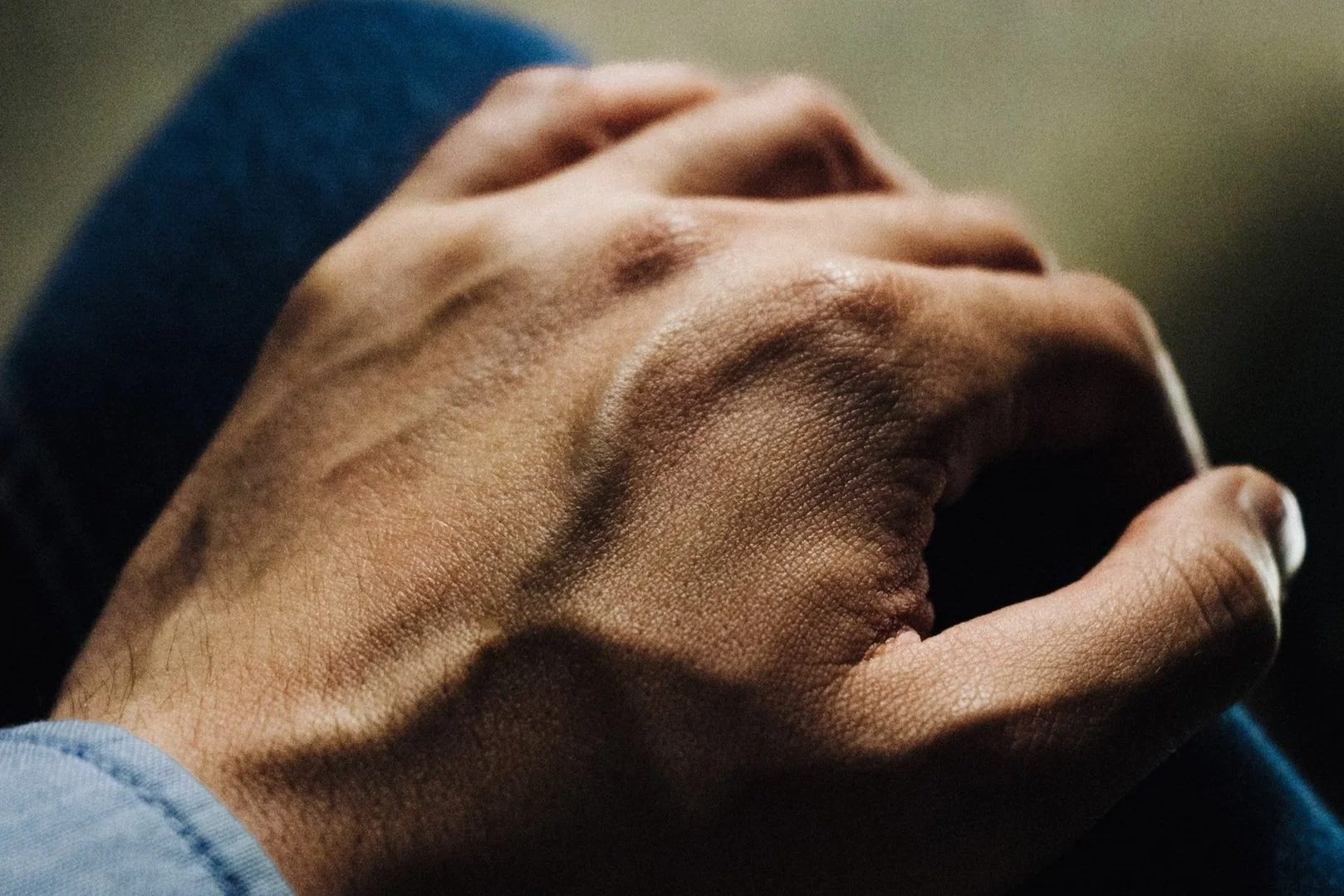
Veins pop out on your hands mostly because the skin there is thin and has little fat, so normal veins show easily. Exercise, heat and getting older make them stand out more. Dehydration usually does the opposite and makes veins flatter. Bulging hand veins are usually harmless unless they hurt, swell or turn red.
Why do hand veins pop out after exercise?
Hand veins often show because the skin on the back of the hand is thin and has little fat. Exercise, heat and age can make them stand out more.
As you age, your skin gets thinner and less stretchy, so veins are easier to see. People with low body fat also tend to have more visible hand and arm veins.
During exercise, your body sends more blood to your muscles to give them the energy they need to keep working.
This causes the veins in your hands to swell up and become more visible from beneath the surface of your skin.
If you lift weights often, your veins may stay more visible, because bigger muscles push the veins closer to the skin.
Do veins pop out when you’re dehydrated or hydrated?
Bulging veins are not a sign of dehydration. Dehydration lowers the amount of fluid in your blood, so veins usually look flatter and are harder to find. When you’re well hydrated, your veins are fuller and easier to see.
With less fluid in your blood, your blood vessels are not as full, and blood pressure can drop.
Drinking fluids is still a good idea when you’re thirsty or have been sweating, but it won’t shrink visible hand veins. Fuller veins are a normal sign of good hydration.
Why do hand veins look bigger in hot weather?
When you’re hot, your body widens the blood vessels near your skin to release heat. This is called vasodilation. More blood near the surface makes hand veins look bigger for a while.
Can a medical condition cause bulging hand veins?
In addition to physical activity and heat, certain medical conditions can also cause vein swelling.
Varicose veins are swollen, twisted veins caused by weak vein walls and valves, and they usually form in the legs. Your risk is higher if family members have them. In varicose veins, the vein’s valve is weakened, which allows blood to pool. Most bulging hand veins are normal veins that are simply easy to see.
Thin red or blue lines are usually spider veins, which are smaller than varicose veins.
When should you see a doctor about hand veins?
Call a doctor if you notice new bulging veins, or a vein that bleeds, hurts, looks red, feels warm, or has swelling around it. Sudden swelling, pain or heaviness in one arm can be a sign of a blood clot. If you have chest pain, trouble breathing, cough up blood or faint, call 911.
If you also have aching, swollen or bulging leg veins, a vein specialist can check whether varicose vein treatment makes sense. For leg veins, learn when to worry about varicose veins.
If you also have aching or bulging leg veins, call MIMIT Health at (708) 486-2600.
Hand Vein FAQs
-
Hand veins get more visible with age because skin becomes thinner and less stretchy over time, so the veins underneath are easier to see. The veins themselves are usually normal. This change happens slowly and on both hands. A sudden change, a vein that hurts, or swelling in one hand is a different issue and should be checked by a doctor.
-
Bulging veins on only one arm or hand are often normal. But new bulging veins on one side, together with swelling, pain, heaviness or a “pins and needles” feeling, can be a sign of upper-extremity deep vein thrombosis (DVT), a blood clot in a deep arm vein. See a doctor promptly.
-
A hand vein that is hard or sore after an IV or blood draw is often irritated. Doctors call this phlebitis, which means an inflamed vein, and sometimes a small clot forms inside it. The vein may feel like a firm cord and look red or warm. This often settles on its own. Call your doctor if it gets worse, or if your whole arm swells, turns pale or feels cold.
-
Bulging hand veins usually don’t need treatment, because in most people they are normal veins and cause no health problems. Some people choose treatment for appearance. A vein specialist can explain options such as sclerotherapy, an injection that closes a vein. Treatment can make veins less visible, but it doesn’t stop new veins from showing.