
Endovascular Aneurysm Repair (EVAR) in Chicago
What is endovascular aneurysm repair?
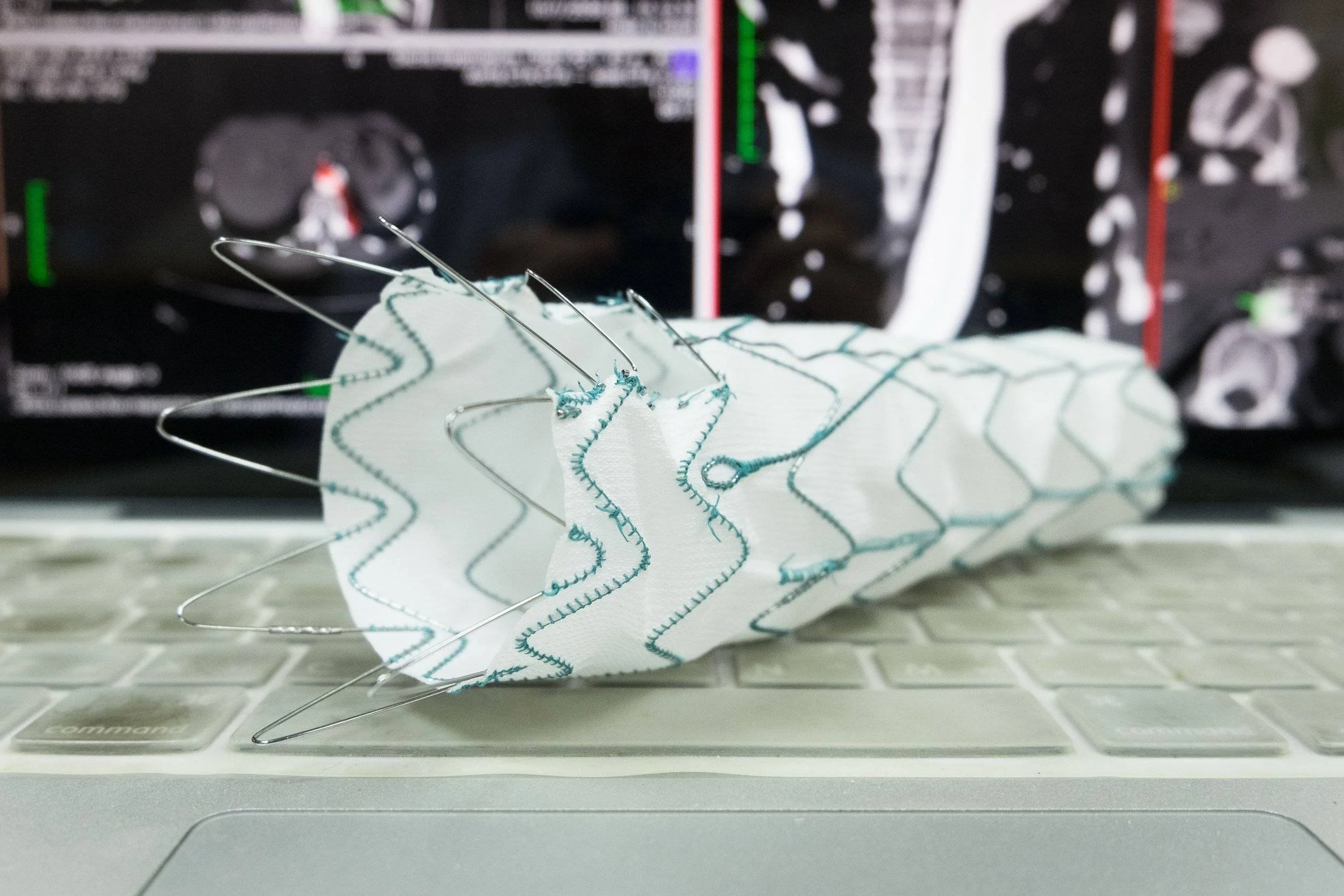
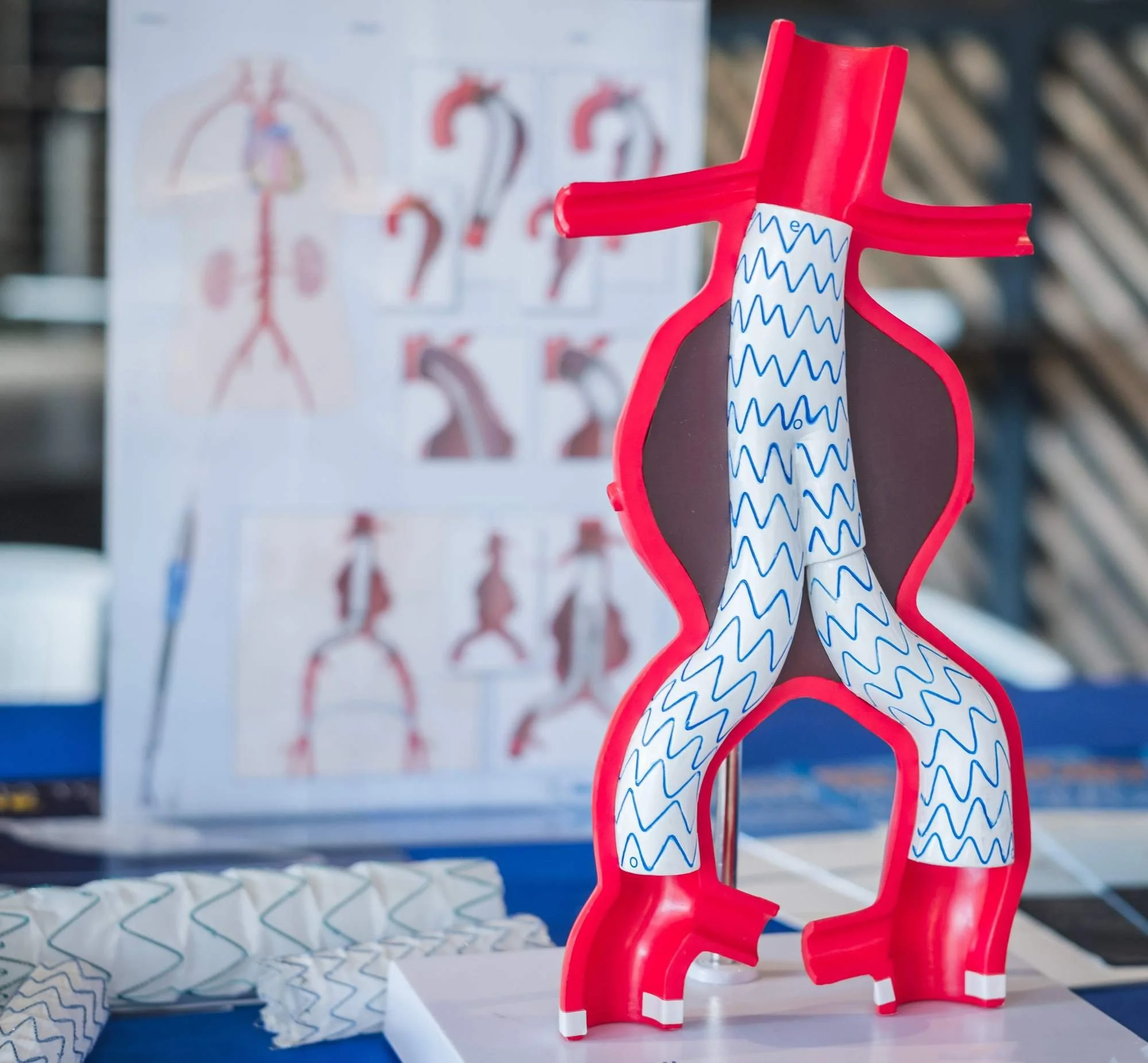
Endovascular aneurysm repair (EVAR) treats an abdominal aortic aneurysm, a bulge in the body's main artery, without open surgery. Working through small openings in the groin, the doctor places a stent graft, a fabric-covered tube with a metal frame, inside the aorta. Blood then flows through the graft instead of pressing on the weakened artery wall.
What happens during an endovascular repair procedure?
Anesthesia
You receive anesthesia so you are comfortable and feel no pain. Depending on your health, this may be local numbing, regional anesthesia that numbs part of the body, or general anesthesia.
Guiding the catheter
Through a small opening in the groin, the doctor guides a catheter, a thin, flexible tube, through the femoral arteries to the aorta using live X-ray imaging.
Placing the stent graft
The folded stent graft travels through the catheter to the aneurysm and opens to line the aorta, creating a sealed channel for blood flow.
Checking the result
A final X-ray dye test confirms that blood flows through the graft and not into the aneurysm.
When does an aneurysm need repair?
Endovascular aneurysm repair is considered when an aneurysm's size, growth or symptoms make repair safer than continued monitoring. For aneurysms that cause no symptoms, repair is generally considered at about 5.5 cm in men and 5.0 cm in women, or sooner if the aneurysm grows quickly or causes pain. These are review points, and your overall health also guides the decision.

Who is a candidate for EVAR?
EVAR is not suitable for everyone because the aorta and nearby arteries must have a shape that lets the stent graft fit and seal securely. A CT scan of the aneurysm helps your doctor measure it and plan the repair. Kidney function and other health conditions also affect which tests and treatments are safest for you.
EVAR vs. open surgery
EVAR usually means smaller incisions, less pain and a shorter hospital stay than open aneurysm surgery, which replaces the weak section of the aorta through a large abdominal incision. Open repair may be the better choice when the artery's shape does not suit a stent graft. EVAR needs lifelong follow-up scans, so your ability to attend them is part of the decision.
Follow-up scans after EVAR
Endovascular aneurysm repair needs regular imaging for life, even when you feel well. CT or ultrasound scans check that the graft stays in place and look for an endoleak, meaning blood leaking into the aneurysm outside the graft. These scans can find problems early, and some need another minimally invasive procedure.
Risks of EVAR
EVAR risks include bruising or bleeding in the groin, infection, kidney injury from the X-ray dye, and problems with the graft, such as an endoleak or the graft moving. Some of these need further treatment. Your doctor explains your personal risks and the warning signs that need urgent care, such as sudden severe belly or back pain.
Related treatments at MIMIT
MIMIT also opens blocked leg arteries with angioplasty.
EVAR FAQs
-
No, endovascular aneurysm repair does not remove the aneurysm. The stent graft lines the inside of the aorta and directs blood through the graft, away from the weakened artery wall. The aneurysm stays around the graft and may shrink over time, which is why regular follow-up scans are still needed after EVAR.
-
The EVAR procedure may use local numbing, regional anesthesia or general anesthesia, depending on your health and the repair. Many patients stay in the hospital for one to two days afterward. Your MIMIT care team explains the anesthesia and the length of stay planned for you before the procedure.
-
EVAR recovery usually involves some bruising and soreness in the groin, and walking is encouraged once your care team says you are ready. Recovery is usually faster than after open surgery. Ask for written instructions about driving, lifting, exercise and returning to work, because these depend on your health and your repair.
-
Insurance coverage for EVAR, including Medicare coverage, depends on your plan and your diagnosis. Ask whether approval is needed and which procedure and hospital charges are covered. MIMIT Health does not accept Medicaid, including plans that combine Medicare and Medicaid. Call (708) 486-2600 to check your coverage and ask about any costs.
-
To arrange an endovascular aneurysm repair consultation, call MIMIT Health at (708) 486-2600 or use the Schedule an Appointment button on this page. Bring recent CT or ultrasound reports and a medication list. Consultations are available at all four MIMIT offices: Des Plaines, Hinsdale, Chicago South Loop and Chicago North. We welcome referrals from your doctor.