

Genicular Artery Embolization: Knee Arthritis Treatment Without Surgery
Genicular artery embolization
Genicular artery embolization (GAE) is a non-surgical treatment for knee arthritis that aims to ease pain from knee osteoarthritis. An interventional radiologist guides a thin tube from a small opening in the groin or thigh to the small arteries around the knee, then uses tiny particles to reduce blood flow to the inflamed joint lining. Most patients go home the same day.

What are the genicular arteries?
The genicular arteries are a group of small arteries that branch around the knee and supply the joint and its lining.
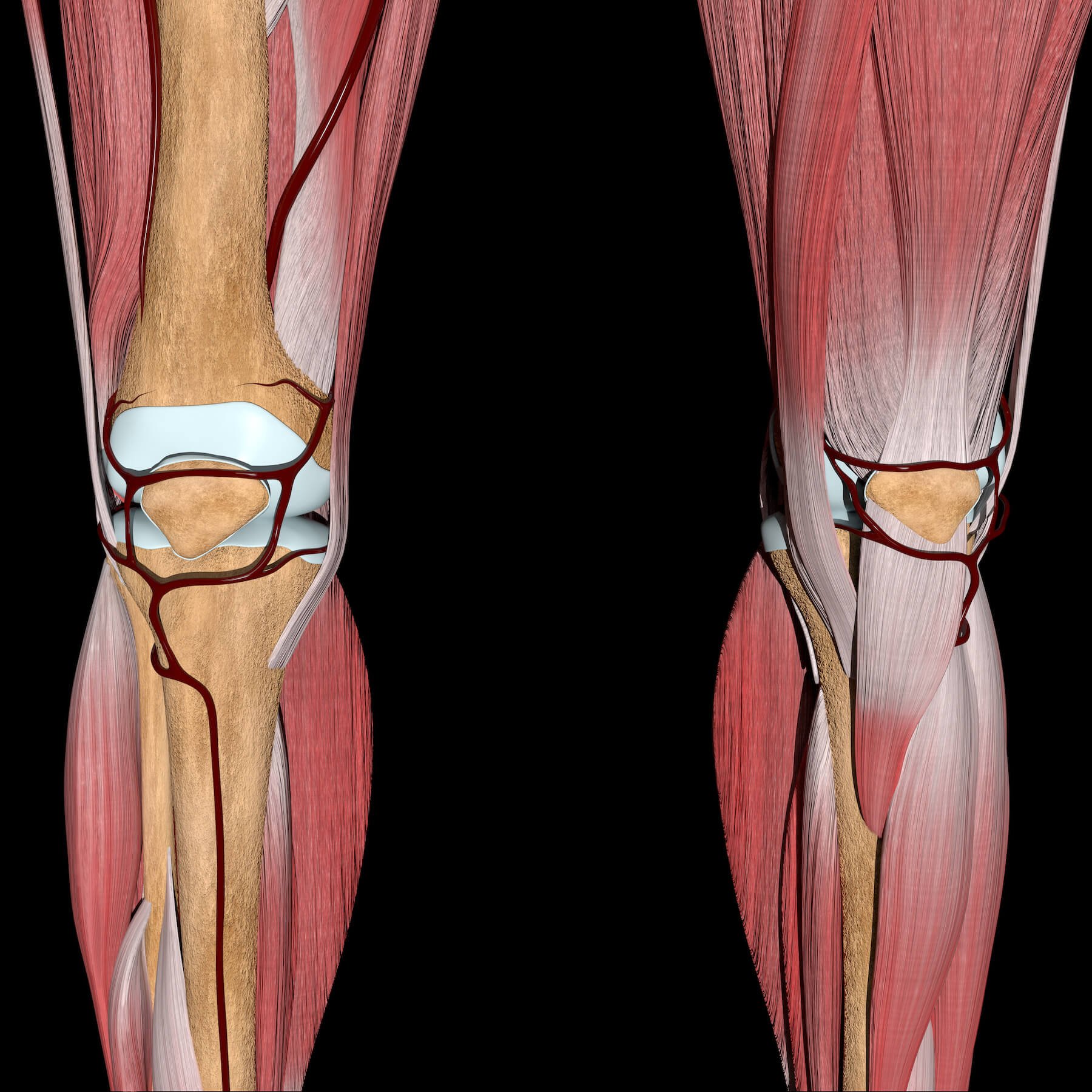
What happens during geniculate artery embolization?
The procedure is typically performed on an outpatient basis and takes about an hour to complete. Recovery times vary depending on the individual, but most people can expect to return to normal activity within a few weeks.
During the procedure, a thin catheter is guided from a small opening in the groin or thigh to the genicular arteries. Tiny particles are released to reduce blood flow to the inflamed joint lining, which helps ease pain and inflammation.
What is the recovery like?
Recovery times vary depending on the individual, but most people can expect to return to normal activity within a few weeks.
Who is a candidate?
Candidates for geniculate artery embolization include those who have experienced pain and inflammation for more than 6 months and have not responded to other conservative treatments.
Risks of genicular artery embolization
GAE risks include bruising or soreness at the catheter entry site and a reaction to the X-ray dye. Some patients notice temporary skin discoloration around the knee. Rarely, the particles can affect blood flow outside the planned area, which is called non-target embolization. Your doctor reviews your personal risks and the warning signs to report after treatment.

GAE compared with injections and knee replacement
Genicular artery embolization is one option between conservative care, such as physical therapy and steroid or gel injections, and knee replacement surgery. GAE does not replace worn cartilage, and research on how well it works over time is still growing. Your doctor compares pain relief, recovery and risks of each option for your knee.

Related treatments at MIMIT
For painful spinal fractures, see kyphoplasty and vertebroplasty. Embolization is also used for an enlarged prostate.
Genicular Artery Embolization FAQs
-
Genicular artery embolization targets inflammation rather than the worn joint itself. In knee arthritis, the joint lining can grow extra small blood vessels that add to inflammation and pain. GAE uses tiny particles to reduce blood flow through those vessels, which aims to calm inflammation and ease pain. Researchers are still studying how well it works compared with other care.
-
Genicular artery embolization may be an option if you have had knee arthritis pain and inflammation for more than six months and other conservative treatments, such as physical therapy, medicines or injections, have not helped enough. It can also be considered if you are not ready for, or not a good candidate for, knee replacement. Your doctor reviews your knee scans and history first.
-
Genicular artery embolization starts with local anesthesia to numb a small spot in the groin or thigh. Guided by X-ray imaging, the doctor moves a thin catheter through the artery to the small vessels around the knee and releases tiny particles. You are not put under general anesthesia. Ask your care team whether medicine to help you relax is also offered.
-
Most patients go home the same day after genicular artery embolization. Mild discomfort where the catheter entered is common and is usually managed with over-the-counter pain medicine. Your care team may advise rest, ice and avoiding strenuous activity for a short time. Pain relief usually builds over the following weeks, and follow-up visits check your progress.
-
How long genicular artery embolization relief lasts differs from person to person, and long-term research is still underway. Some patients have lasting improvement, while others may need more treatment later. Your doctor will explain what results are realistic for your knee and what the next steps are if pain does not improve or returns.
-
Genicular artery embolization does not remove or replace any part of the knee, so it is not designed to rule out a knee replacement later. If replacement may be needed in the future, tell your orthopedic surgeon about GAE so both doctors can plan your care together.
-
Insurance coverage for genicular artery embolization varies more than for older procedures and depends on your plan and diagnosis. Ask whether approval is needed before you schedule. MIMIT Health does not accept Medicaid, including plans that combine Medicare and Medicaid. Call (708) 486-2600 to check your coverage and ask about any costs.
-
To book a genicular artery embolization consultation, call MIMIT Health at (708) 486-2600 or use the Schedule an Appointment button on this page. Bring knee X-ray or MRI reports and a list of past treatments, including injections. MIMIT offers GAE at all four offices: Des Plaines, Hinsdale, Chicago South Loop and Chicago North. We welcome referrals from your doctor.


