
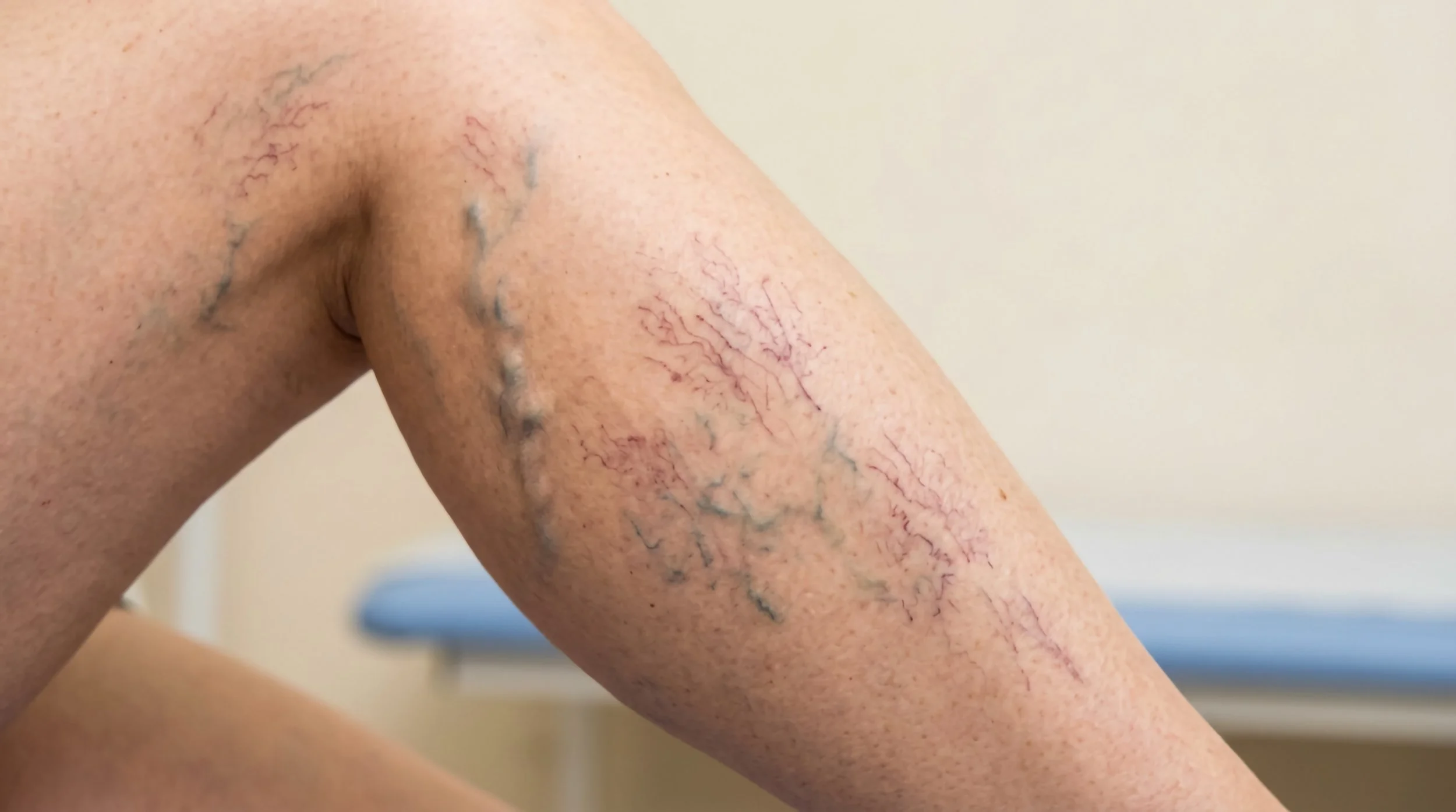
Varicose Vein Treatment in Chicago
Varicose vein treatment closes the faulty veins that cause bulging, aching, or swollen legs, so blood flows through healthier veins instead. At MIMIT Health, treatment includes sclerotherapy, Varithena foam, and laser or radiofrequency ablation, all done in the office without surgery, so you can go home right after treatment.
What is sclerotherapy?
Sclerotherapy is a minimally invasive treatment for varicose veins and spider veins. Doctors typically perform sclerotherapy in an office, and it does not require anesthesia. It is also considered safe for many patients with varicose veins.

What happens during sclerotherapy?
During sclerotherapy, one of our healthcare providers injects a chemical solution directly into the affected veins using a very fine needle. This irritates the lining of the blood vessel, causing it to collapse and eventually fade away.
Over time, the body absorbs the treated vein, redirecting blood flow to healthier veins. The procedure is done in-office, and you can leave once it’s complete. Multiple sessions may be necessary depending on the severity of the vein condition. Side effects are generally mild and can include temporary bruising, redness, or itching at the injection site. Consultation with a healthcare professional is essential to determine if sclerotherapy is the right treatment option.

Will sclerotherapy get rid of my varicose veins right away?
Each session of sclerotherapy typically results in the elimination of 50-80% of the injected veins. Most report seeing results in 4–6 weeks post-procedure. However, multiple sclerotherapy sessions are very common.
What are the side effects of sclerotherapy?
Side effects of sclerotherapy can include swelling, bruising, and mild discomfort. Most side effects are temporary and resolve within a few days or weeks.
How long does the sclerotherapy procedure take to complete?
Each session typically lasts 30-45 minutes.
Is sclerotherapy painful?
Most patients feel only brief stings from the very fine needle, and sclerotherapy is not usually described as painful.

Before

After
Varithena
What is Varithena?
Varithena is an FDA-approved injectable foam (polidocanol) that treats varicose veins without surgery or vein stripping.
How does it work?
The foam fills the faulty vein and irritates its inner lining, so the vein closes and blood reroutes to healthier veins. No sedation is needed; most patients feel only a needle stick.
What happens then?
At that point, blood reroutes to nearby healthy veins.
Will there be any scarring?
Varithena is given through a small needle, so there is no surgical cut or stitches. You leave with a small bandage and can go home right after treatment. Some patients notice temporary bruising, tenderness or skin darkening along the treated vein, which usually fades over time.
What should I do after
Walking soon after treatment is encouraged, while strenuous exercise may need to wait. You may need to wear compression stockings for a period after treatment. Your care team will tell you how long to wear them and when to return to exercise.
How long does it take?
Varithena takes less than an hour to complete.
Endovenous laser and radiofrequency ablation
Endovenous laser ablation and radiofrequency ablation treat larger varicose veins caused by a faulty main vein in the leg. After the skin is numbed, the doctor uses ultrasound to guide a thin laser fiber or catheter into the vein and closes it from the inside with heat. Blood then reroutes to healthier veins, and you go home the same day.
Related treatments at MIMIT
Faulty veins in the pelvis can cause pelvic congestion syndrome. Leg pain when walking can come from blocked leg arteries instead.
Varicose Vein Treatment FAQs
-
Varicose vein treatment is a medical treatment when faulty veins cause pain, aching, swelling or skin changes, not just a change in appearance. A varicose vein specialist can check whether your symptoms come from those veins and whether a procedure or supportive care such as compression stockings makes sense. Treating veins only for their look is usually considered cosmetic.
-
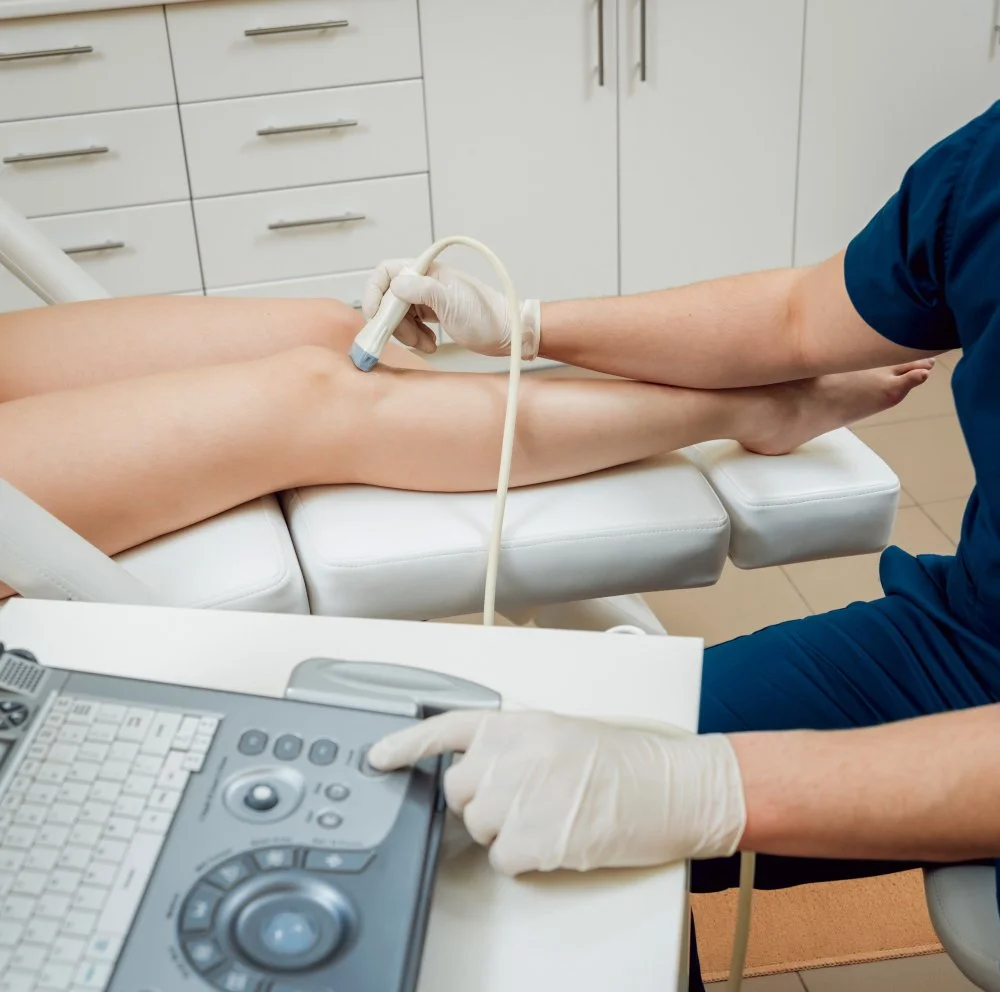
The right varicose vein treatment depends on the size and location of your veins and how blood is flowing through them. Your doctor examines your legs and may use ultrasound to check for reflux, meaning blood flowing backward. Sclerotherapy uses a liquid medicine for smaller veins, while Varithena foam or laser or radiofrequency ablation can treat larger varicose veins.
-
When varicose vein treatment closes a faulty vein, blood is simply redirected through other healthy veins in the leg. The faulty vein was not moving blood well to begin with. Over time the closed vein shrinks and the body absorbs it, while nearby veins carry blood back toward the heart.
-
Varicose vein treatment can improve symptoms and appearance, but new problem veins can form over time, and a treated vein can sometimes reopen. This does not always mean the first treatment failed, because other veins can become affected. If symptoms or bulging veins return, an exam and ultrasound show whether more treatment would help.
-
Sclerotherapy and Varithena foam carry a small risk of blood clots, including a clot in a deeper leg vein, called deep vein thrombosis or DVT. Your doctor checks your clot risk before treatment. Get urgent care for sudden leg swelling or pain, and call 911 for chest pain or trouble breathing.
-
Sclerotherapy, an injection treatment that closes unwanted veins, can treat both spider veins and some varicose veins. Spider veins are small, thin veins close to the skin, while varicose veins are larger and often bulge. Larger varicose veins may need Varithena foam, laser or radiofrequency ablation, or a combination of treatments, so your doctor plans each leg separately.
-
Insurance coverage for varicose vein treatment depends on your plan and on medical need, such as symptoms and ultrasound findings. Treatment only for appearance is usually considered cosmetic and not covered. MIMIT Health does not accept Medicaid, including plans that combine Medicare and Medicaid. Call (708) 486-2600 to check your coverage and any approval requirements.
-
To book a varicose vein consultation, call MIMIT Health at (708) 486-2600 or use the Schedule an Appointment button on this page. MIMIT treats varicose veins at all four offices: Des Plaines, Hinsdale, Chicago South Loop and Chicago North, so you can choose a vein clinic in Chicago or the suburbs. We welcome referrals from your doctor.


