
Enlarged Prostate (BPH): Symptoms, Causes and Treatment Options
What is an enlarged prostate (BPH)?
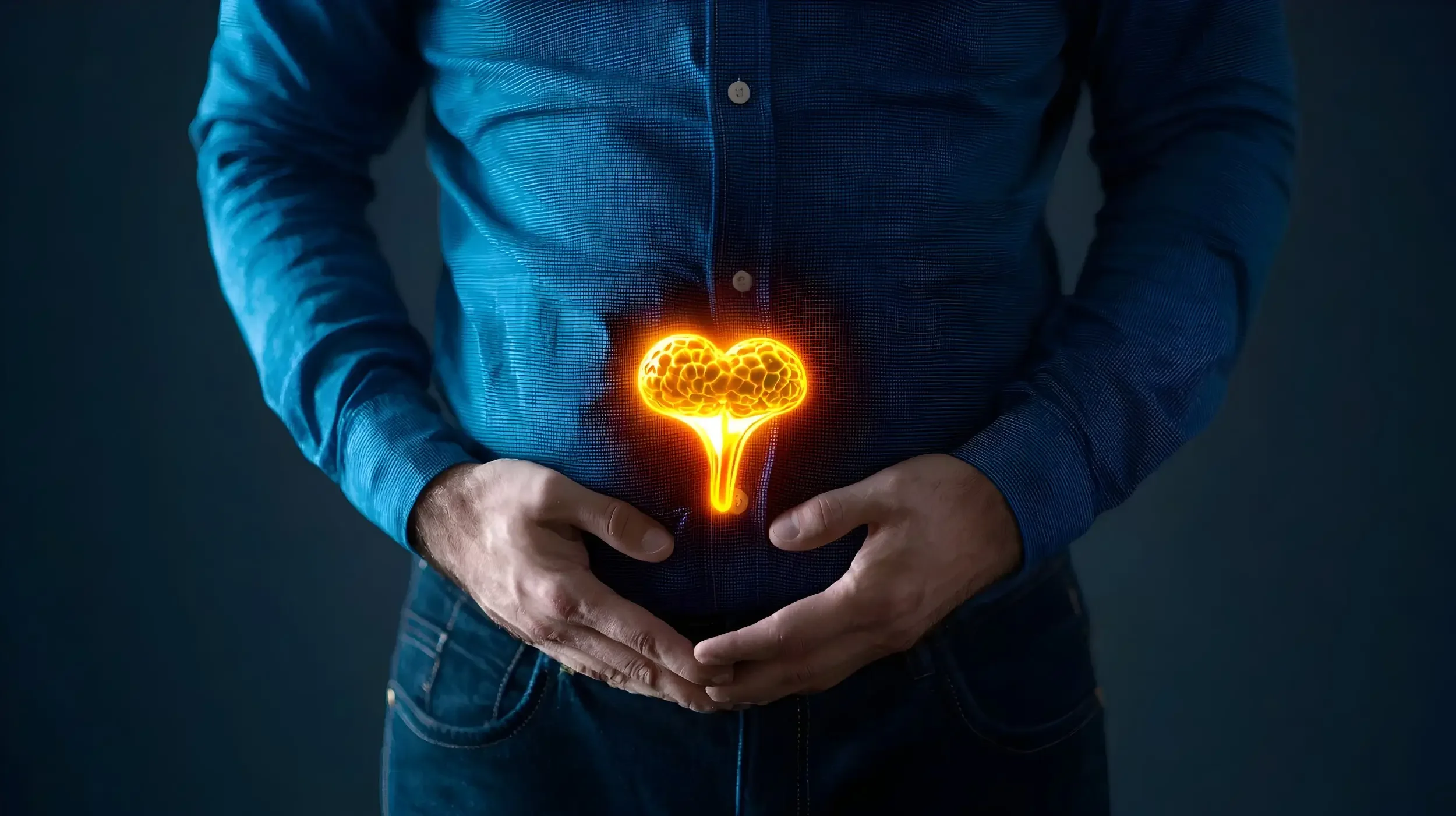
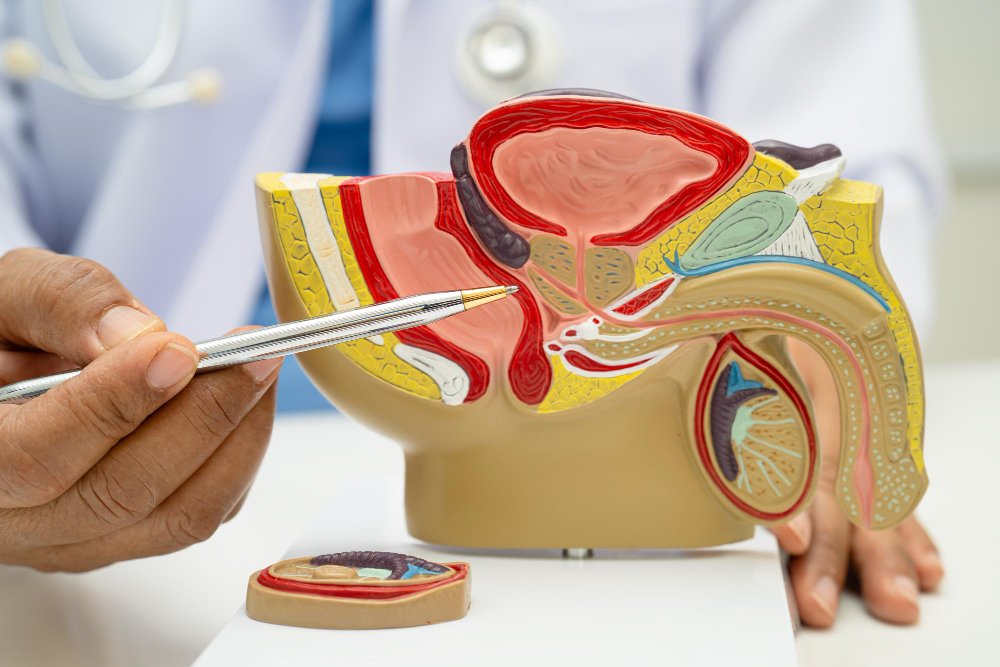
An enlarged prostate, or benign prostatic hyperplasia (BPH), means the prostate gland has grown larger without cancer. The prostate is a small gland below the bladder that helps make semen. As it grows, it can squeeze the urethra, the tube that carries urine out of the body, and cause a weak stream, frequent urination or trouble emptying the bladder.
Treatment options for an enlarged prostate
Mild symptoms may be watched and can improve with changes in drinking habits. Medicines can relax the muscles around the prostate or shrink the gland. When medicines do not help enough, procedures include prostate artery embolization (PAE), which shrinks the prostate without surgery, as well as prostate lift, steam treatment and surgery that removes blocking tissue.

Enlarged Prostate (BPH) FAQs
-
Common enlarged prostate symptoms include a weak or stop-start urine stream, trouble getting started, dribbling and feeling that your bladder has not emptied. BPH may also cause a sudden need to urinate or more frequent bathroom trips. Prostate size does not always match how bad the symptoms are, so a small enlargement can still cause bothersome symptoms.
-
BPH can cause frequent urination at night in men, but the prostate is not always the reason. Waking from sleep to urinate is called nocturia. Evening drinks, some medicines, bladder problems and sleep apnea, which causes breathing pauses during sleep, can also play a part. A doctor can review your symptoms and other health conditions before choosing treatment.
-
An enlarged prostate appears to be linked to aging and changes in hormone levels, although the exact cause is not fully understood. Hormones are chemical messengers that affect how body tissues grow and work. A family history of BPH, obesity or diabetes is linked with a higher chance of developing the condition.
-
No, an enlarged prostate (BPH) is not cancer and does not increase your risk of prostate cancer. Urinary symptoms still need checking, because other conditions can cause similar changes. A PSA blood test measures prostate-specific antigen, a protein made by the prostate. BPH, inflammation and cancer can all raise PSA, so a high result alone does not mean cancer.
-
Doctors check for BPH by reviewing your symptoms and medicines, examining the prostate and testing your urine for infection or other problems. The exam may include feeling the prostate through the rectum with a gloved finger. A PSA blood test may also be discussed, and an ultrasound can check prostate size or how much urine stays in the bladder.
-
An enlarged prostate can sometimes lead to bladder or kidney problems when blocked urine flow stops the bladder from emptying properly. Urinary retention means urine stays in the bladder because you cannot empty it fully or cannot urinate at all. Repeated urinary infections and bladder stones can also happen, so worsening symptoms should be checked.
-
Mild BPH symptoms may improve with changes in drinking habits, regular activity and follow-up visits. Spread drinks through the day, drink less near bedtime and limit caffeine and alcohol. Ask a doctor or pharmacist about cold and allergy medicines, which can make symptoms worse, and do not change prescribed medicines on your own.
-
Get enlarged prostate symptoms checked if they disturb your sleep, limit daily life or keep getting worse. Get urgent care for severe lower belly pain, blood in your urine, or painful urination with fever and chills. Being completely unable to urinate is an emergency, even if you already know you have BPH; call 911 or go to the emergency room.